NDIS Life Skills Coaching In Tuggeranong
Build Everyday Confidence With Practical NDIS Support
Life skills play an important role in everyday independence.
Whether you want support with cooking, personal care, communication, shopping, routines, transport, or community participation, Life Skills Coaching can help you build practical skills through real-life experiences.
NDIS Life Skills Coaching in Tuggeranong
Life Skills Coaching helps participants build the everyday skills needed at home and in the community.
Rather than learning through formal lessons, coaching focuses on practical experiences.
You might practise preparing meals, planning your day, managing household tasks, using public transport, shopping, or communicating with others in everyday situations.
The goal is to help you feel more capable and confident while working towards greater independence.
Support Built Around Your NDIS Goals
Everyone starts from a different place.
Some participants already manage many daily tasks independently, while others may need prompts, guidance, or support to learn new skills.
Life Skills Coaching begins by understanding your current abilities and identifying the goals that matter most to you.
Support is then personalised to help you progress at a pace that feels comfortable and achievable.
Small improvements can lead to meaningful long-term outcomes.
Build Daily Living Skills
Daily living skills help create structure, confidence, and independence.
Support may include:
- Preparing meals and snacks
- Cleaning and organising living spaces
- Laundry and household tasks
- Following routines
- Managing personal belongings
- Using reminders and schedules
Learning through practice allows skills to become more familiar and easier to apply in everyday life.
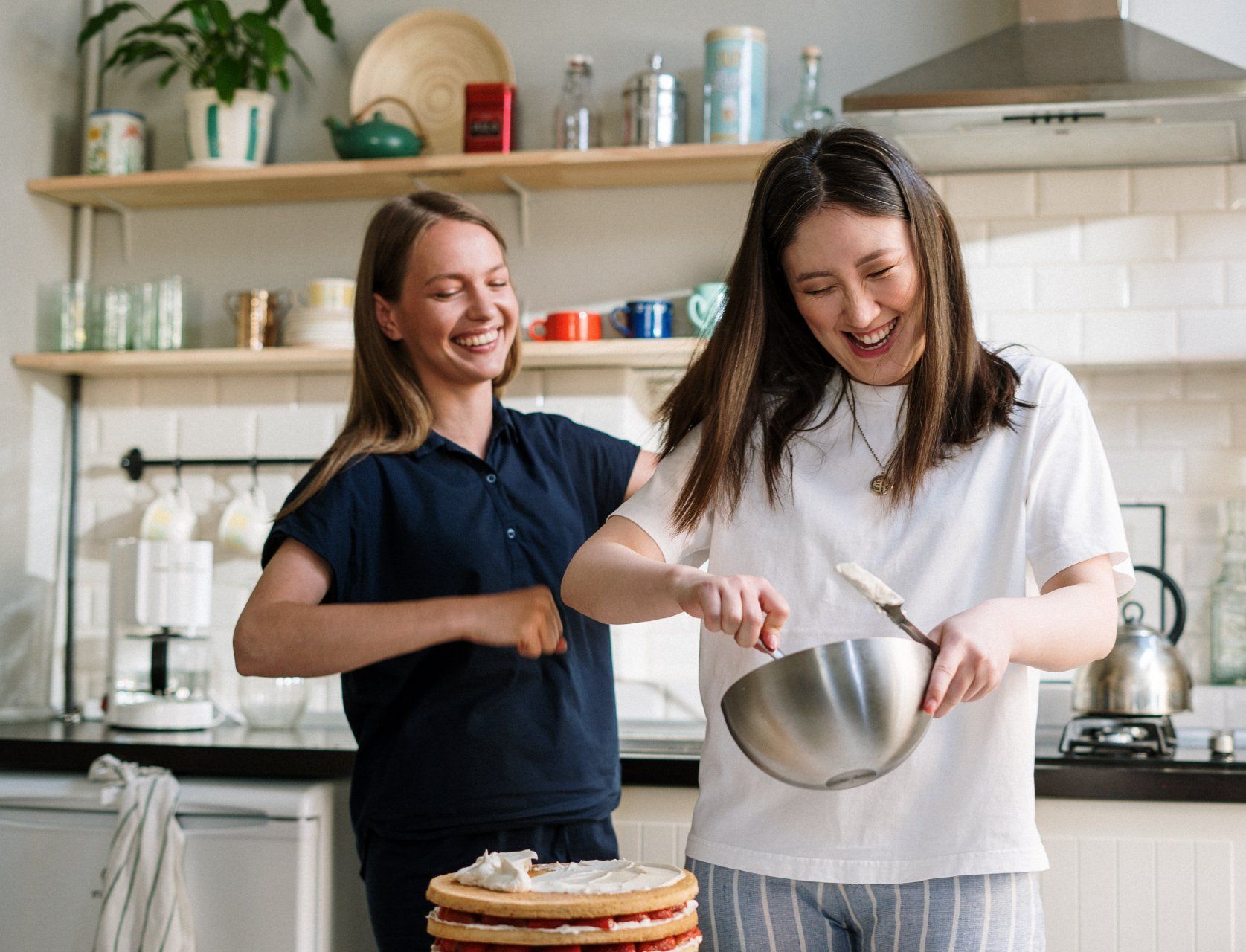
Cooking And Meal Preparation
Cooking is one of the most valuable life skills many participants choose to develop.
You may practise selecting recipes, preparing ingredients, using kitchen equipment safely, cooking simple meals, and cleaning up afterwards.
These activities also help build planning, organisation, decision-making, and confidence.
Over time, meal preparation can become a regular part of an independent daily routine.
Personal Care And Healthy Routines
Personal care routines support wellbeing, comfort, and self-confidence.
Life Skills Coaching may include support with:
Morning and evening routines
Personal hygiene
Grooming and self-care
Choosing clothing
Packing for activities or appointments
Creating consistent daily habits
Support is always delivered respectfully and in a way that aligns with your preferences and individual needs.

Time Management And Planning Skills
Managing time can make daily life feel more organised and less stressful.
Participants may practise using calendars, schedules, reminders, and planning tools to prepare for appointments, activities, shopping trips, or community outings.
Developing planning skills can support independence at home, in education, employment pathways, and social settings.
Learn Through Real-Life Experiences
Many people learn best by doing.
Life Skills Coaching focuses on practising skills in real situations rather than simply talking about them.
This may involve cooking at home, visiting local shops, attending community activities, or using public transport.
Real-world experiences help build confidence and make new skills easier to remember and apply independently.
Community Access In Tuggeranong
Tuggeranong offers many opportunities to practise life skills in everyday environments.
Participants may visit:
- Shopping centres
- Cafés and restaurants
- Libraries
- Parks and recreation areas
- Community programs and activities
These experiences can help build confidence while developing practical skills such as communication, navigation, planning, and decision-making.
Shopping And Money Skills
Shopping activities provide opportunities to practise several important life skills at once.
Support may include creating shopping lists, comparing prices, following a budget, locating items, paying for purchases, and interacting with staff. These experiences help strengthen independence while building confidence in everyday community settings.
Communication And Social Confidence
Communication is an important part of daily life and community participation.
Life Skills Coaching can help participants practise:
- Asking for help
- Expressing preferences
- Making choices
- Starting conversations
- Listening and responding
- Building social confidence
Developing communication skills through everyday activities often feels more natural and less overwhelming than structured learning environments.
Decision-Making And Problem-Solving
Everyday life involves making choices and responding to unexpected situations.
Participants may practise deciding what to cook, where to go, how to complete a task, or how to adapt when plans change.
These experiences help build confidence, resilience, and independent thinking.
Support workers provide guidance while encouraging participants to make their own decisions wherever possible
Build Independence At Home And In The Community
Life Skills Coaching supports independence across all areas of life.
At home, participants may focus on routines, household tasks, meal preparation, and organisation.
In the community, they may practise transport skills, social interactions, shopping, and participation in local activities.
Regular practice helps participants become more comfortable managing everyday situations with increasing confidence.
Support For Young People And Adults
Life Skills Coaching can benefit participants of different ages and stages of life.
Young people may be preparing for greater independence, while adults may want support with daily living, community participation, employment preparation, or social confidence.
Every coaching plan is personalised to suit the individual's goals, abilities, communication style, and interests.
Work Towards Your NDIS Goals
Life Skills Coaching is designed to support the goals outlined in your NDIS plan.
Goals may relate to:
- Daily living skills
- Increased independence
- Community participation
- Communication
- Social confidence
- Routine building
By connecting goals with practical activities, participants can develop skills that create meaningful improvements in everyday life.
A Collaborative And Respectful Approach
At Cordial Care, we believe effective support starts with listening.
We work closely with participants and, where appropriate, families, carers, support coordinators, and other important people in their lives.
This collaborative approach helps create consistency and ensures support remains focused on individual goals.
Every participant deserves support that is respectful, encouraging, and free from pressure or judgement.
Life Skills Coaching With Cordial Care In Tuggeranong
Cordial Care provides NDIS Life Skills Coaching in Tuggeranong for participants who want to build confidence, independence, and practical everyday skills.
Whether your goals involve cooking, personal care, communication, shopping, transport, routines, or community access, our team can provide support that is tailored to your needs and delivered at a pace that works for you.
Talk With Aria About Life Skills Coaching
If you would like to learn more about NDIS Life Skills Coaching in Tuggeranong, speak with Aria and the Cordial Care team.
We can discuss your goals, current routines, interests, and the skills you would like to develop.